The Gospel of Being Human by Marty Solomon and Reed Dent
The Gospel of Being Human by Marty Solomon and Reed Dent
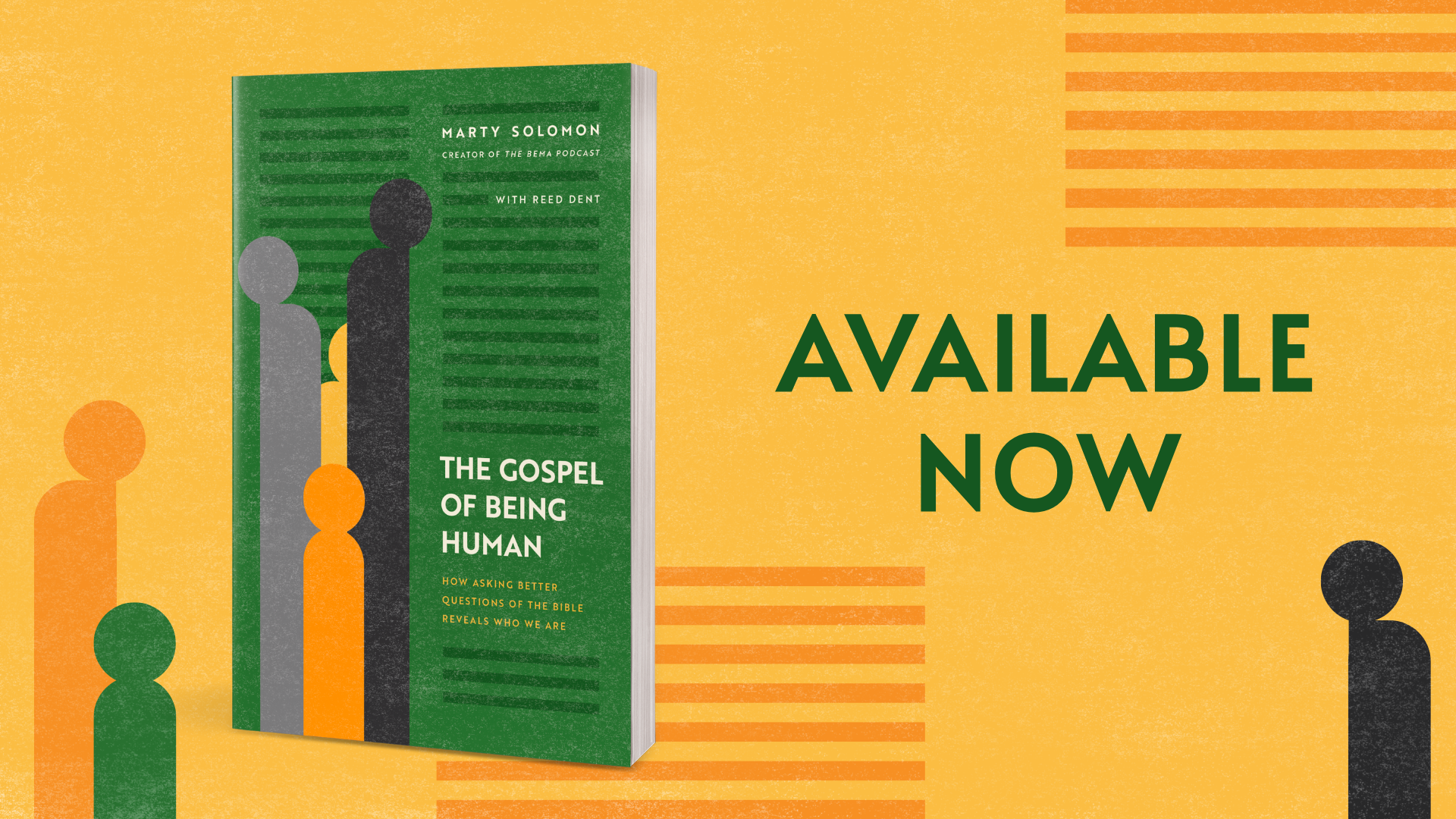
Order the Gospel of Being Human
I've had the privilege of reading and advance copy of The Gospel of Being Human by Marty Solomon and Reed Dent, and I must say, this is a book for such a time as this.
In his first book, Asking Better Questions of the Bible, Marty Solomon asked the reader to reconsider how they think about and interact with the Bible. This was not to get around what the Bible says or somehow impose a new modern moral code upon the ancient Word of God, but to more faithfully comprehend the faith delivered once for all to all the saints.
In this new installment, Solomon and Dent ask the reader to reconsider how they, and God, think about us. About humans, about what it means to be flesh and blood human beings made in the image of God.
Solomon and Dent set out to provide a counter-message to the excesses of the doctrine of total depravity. Not arguing that humans are not completely in need of a savior, but arguing that the truth of the fall and of the Gospel don't necessarily mean God doesn't like us. The Lord delights in His people, and it is okay to know and celebrate that fact.
This revelation may be a welcome balm to those feeling beaten down by certain rhetoric of total depravity and the utter wretchedness of humans, but what comes next may be the prophetic word that the church in the United States desparately needs to hear:
I believe that what we hope for the wicked, for our enemies, shapes who we become at the deepest level of our being, because I believe that how God responds to his enemies defines who he is at the deepest level of his being.
When we recognize that God isn't disgusted by us in our rebellion but instead drawn to us to rescue us for our own good and for His glory, that fact has to change how we view the people we think of as our enemies. Today is is common for many Americans, including Christians aligned with the political right and left, to think of those who disagree with them as one-dimensional caricatures of evil. We think that if God comes to judge the world than surely all of these we disagree with shall be smote.
The Gospel, however, tells us a different story. When Jonah sits down outside Ninevah, the capital of the evil Assyrian empire, and mopes that by God's grace the judgement against the city has relented, the Lord provides a strong rebuke:
But the LORD said, “You have been concerned about this plant, though you did not tend it or make it grow. It sprang up overnight and died overnight. And should I not have concern for the great city of Nineveh, in which there are more than a hundred and twenty thousand people who cannot tell their right hand from their left—and also many animals?” Jonah 4:10-11, NIV
Because God cares deeply about, perhaps even delights in, those who we view as our enemies. How should this affect how we view ourselves, and how we view others? In 2026, when Americans are more likely than any other nationality to view their neighbors as morally 'bad', is there any more important question we can ask?